A Practical Look at the Shunshine Beautiful Font for Creative Projects
In the world of digital design, typography is a fundamental pillar. The choice of typeface can dictate the tone, readability, and overall success of a project. For creators seeking a font that balances personality with clarity, the Shunshine Beautiful font presents an interesting option. This article provides a practical evaluation of its characteristics, suitable applications, and potential limitations to help you determine if it aligns with your creative workflow.
Understanding the Core Characteristics
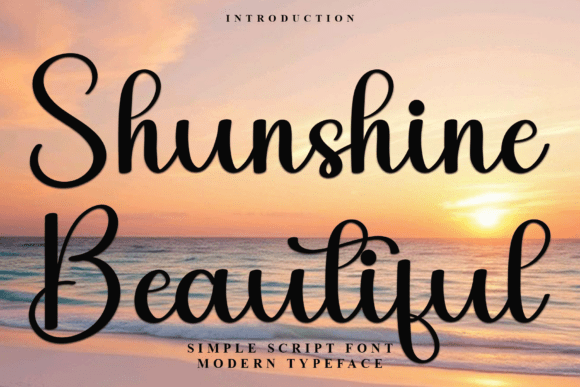
Shunshine Beautiful is classified as a display or script font, designed with a distinct emphasis on aesthetic appeal. Its defining features include soft, flowing strokes and a gentle, organic quality that avoids the harsh lines of more rigid typefaces. The letterforms are crafted with a unique touch, giving each character a sense of handcrafted artistry while maintaining a cohesive family. This design philosophy makes it inherently eye-catching without relying on overly complex or distracting elements.
The font’s strength lies in its versatility within the realm of decorative typography. It includes a comprehensive set of characters, supporting a range of applications from standard text to more elaborate titling. The natural style evokes a sense of warmth and approachability, making it particularly effective for projects aiming to connect with audiences on a personal or emotional level. Its compatibility with major operating systems like Windows, as well as open-source design software, ensures it can be integrated into most professional environments without technical hurdles.
Practical Value in Real-World Applications
When evaluating a font like Shunshine Beautiful, its practical value is measured by how effectively it performs in real-world scenarios. Its primary purpose is not for body text but for moments where typographic impact is paramount. This includes headings for websites, logo design, packaging labels, wedding invitations, greeting cards, and social media graphics. In these contexts, its soft, unique strokes can immediately set a specific mood—be it elegant, friendly, whimsical, or romantic.
The usability of Shunshine Beautiful is straightforward. As a standard font file, it installs like any other typeface and is accessible from the font menus in applications such as Adobe Creative Suite, Canva, Affinity Designer, and even Microsoft Office tools. This ease of use is a significant advantage for freelancers and small business owners who may not have extensive technical expertise but still require professional-looking results. Its consistency across different characters ensures that words and phrases maintain a harmonious appearance, which is crucial for maintaining brand identity in logos or recurring design elements.
Identifying the Ideal User and Use Case
The Shunshine Beautiful font is not a one-size-fits-all solution, but for the right user and project, it can be exceptionally effective. Professionals and creators who may benefit most include:
- Graphic Designers and Branding Specialists: For creating distinctive logos, brand marks, and stationery for clients in lifestyle, beauty, artisanal food, or boutique retail sectors.
- Event Planners and Stationery Designers: Ideal for crafting elegant invitations, programs, and thank-you cards for weddings, parties, and corporate events with a personal touch.
- Content Creators and Social Media Managers: Useful for designing engaging YouTube thumbnails, Instagram stories, Pinterest pins, and blog post graphics that need to stand out in a crowded feed.
- Small Business Owners and Etsy Sellers: Perfect for adding a professional, artisanal feel to product packaging, labels, and marketing materials for handmade goods.
- Educators and Publishers: Can be used for creating eye-catching titles on worksheets, certificates, or book covers aimed at younger audiences or specific thematic content.
A practical recommendation is to pair Shunshine Beautiful with a simple, clean sans-serif or serif font for any accompanying body text. This contrast ensures readability while allowing the decorative font to command attention where it is most needed. For example, using Shunshine Beautiful for a main headline on a landing page, followed by a font like Open Sans or Lora for the descriptive paragraph, creates a balanced and professional hierarchy.
Analyzing Strengths and Potential Limitations
Every typographic tool has its strengths and boundaries. A key strength of Shunshine Beautiful is its presentation and effectiveness in capturing attention. Its distinctive character makes it memorable, which is a valuable asset in branding and marketing. The long-term value of such a font is tied to its versatility; it can be applied across multiple projects for a single brand or client, providing a consistent visual element.
However, it is important to acknowledge potential limitations. As a display font, its legibility decreases significantly at smaller sizes or in large blocks of text. It is not designed for lengthy reading. Furthermore, its strong stylistic personality means it may not be suitable for corporate, formal, or technical contexts where neutrality and maximum clarity are required. Overuse in a single design can also lead to visual clutter, diminishing its impact.
Another consideration is flexibility. While it works well for its intended purpose, it does not offer the same range of weights (like bold, light, or condensed) that a comprehensive font family might provide. This can limit design variations within a project that relies heavily on this single typeface.
Making an Informed Decision
Deciding whether Shunshine Beautiful fits your needs involves assessing your project’s goals and audience. If your work demands a touch of elegance, warmth, or handcrafted appeal, and your application is focused on impactful headings or logos, this font is a strong candidate. It excels in environments where emotional connection and visual distinction are prioritized over informational density.
Before fully committing, it is always advisable to test the font within your specific workflow. Create a sample design using Shunshine Beautiful alongside your other planned assets. Evaluate its performance in terms of clarity, mood alignment, and how well it integrates with your existing design elements. Consider the viewing context—will it be viewed on a mobile screen, a printed brochure, or a large banner? This test will provide concrete evidence of its suitability.
In summary, Shunshine Beautiful is a purpose-built tool for specific creative tasks. Its value is realized when used thoughtfully and in the right context. For professionals seeking to inject personality and visual interest into their designs, it offers a reliable and aesthetically pleasing solution. By understanding its characteristics and aligning them with your project requirements, you can leverage this font to enhance your creative output effectively.